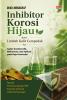
Inhibitor Korosi Hijau dari Limbah Kulit Cempedak: Kajian Karakteristik, Mekanisme, dan Aplikasi pada Baja Konstruksi
Kata Kunci:
Inhibitor Korosi Hijau, dari Limbah Kulit CempedakSinopsis
Korosi merupakan salah satu permasalahan utama dalam bidang material dan infrastruktur konstruksi. Pada struktur baja, beton bertulang, pipa, tangki, dermaga, jembatan, dan fasilitas industri, korosi tidak hanya menimbulkan kerusakan permukaan berupa karat, tetapi juga dapat menurunkan kapasitas struktur, memperpendek umur layan, meningkatkan biaya pemeliharaan, serta membahayakan keselamatan apabila tidak ditangani secara tepat.
Buku Inhibitor Korosi Hijau dari Limbah Kulit Cempedak: Kajian Karakteristik, Mekanisme, dan Aplikasi pada Baja Konstruksihadir sebagai referensi ilmiah yang membahas pengendalian korosi baja melalui pendekatan yang lebih aman, ramah lingkungan, dan berkelanjutan. Pembahasan diawali dengan konsep dasar korosi pada baja konstruksi, mekanisme korosi elektrokimia, pengaruh lingkungan agresif seperti ion klorida, keasaman, kelembapan, dan lingkungan pesisir, serta dampaknya terhadap umur layan dan keselamatan struktur.
Selain membahas strategi proteksi korosi secara umum, buku ini menyoroti perkembangan green corrosion inhibitor sebagai alternatif terhadap inhibitor sintetis yang sebagian memiliki keterbatasan dari sisi toksisitas, persistensi lingkungan, dan pengelolaan limbah. Dalam konteks tersebut, biomassa lokal Indonesia menjadi sumber potensial untuk dikembangkan sebagai bahan inhibitor korosi hijau.
Fokus utama buku ini adalah pemanfaatan limbah kulit cempedak sebagai bahan dasar inhibitor korosi. Kulit cempedak yang selama ini sering dianggap sebagai limbah pertanian memiliki kandungan senyawa bioaktif seperti fenolik, flavonoid, tanin, saponin, alkaloid, asam organik, dan komponen polisakarida yang berpotensi berinteraksi dengan permukaan logam. Senyawa-senyawa tersebut dapat membentuk lapisan adsorpsi pada permukaan baja, menghambat kontak langsung antara logam dan media korosif, serta menurunkan laju korosi.
Buku ini juga menguraikan kinerja elektrokimia ekstrak kulit cempedak melalui pendekatan polarisasi Tafel, electrochemical impedance spectroscopy, analisis adsorpsi, karakterisasi spektroskopi, pengamatan morfologi permukaan, serta dukungan pemodelan komputasi. Melalui pembahasan tersebut, pembaca diajak memahami bahwa proteksi korosi oleh ekstrak kulit cempedak berlangsung melalui proses adsorpsi molekul bioaktif, pembentukan film protektif, peningkatan resistansi transfer muatan, dan penghambatan reaksi anodik-katodik pada permukaan baja.
Dengan mengintegrasikan ilmu korosi, kimia bahan alam, green chemistry, dan ekonomi sirkular, buku ini menunjukkan bahwa limbah kulit cempedak memiliki peluang untuk dikembangkan sebagai bahan proteksi baja yang bernilai fungsional, ilmiah, ekonomis, dan aplikatif. Buku ini diharapkan dapat menjadi referensi bagi mahasiswa, dosen, peneliti, praktisi industri, serta pihak-pihak yang tertarik pada bidang korosi, material konstruksi, inhibitor hijau, pemanfaatan biomassa lokal, dan inovasi teknologi berkelanjutan.
Bab
-
PRAKATA
-
DAFTAR ISI
-
Bab 1. PENDAHULUAN
-
Bab 2. KOROSI BAJA PADA SEKTOR KONSTRUKSI
-
Bab 3. INHIBITOR KOROSI HIJAU: DEFINISI, PERALIHAN, DAN MEKANISME
-
Bab 4. EKSTRAK KULIT CEMPEDAK SEBAGAI SUMBER INHIBITOR BERBASIS BIOMASSA
-
Bab 5. KINERJA ELEKTROKIMIA INHIBITOR EKSTRAK KULIT CEMPEDAK
-
Bab 6. KARAKTERISASI PERMUKAAN, ADSORPSI, DAN VALIDASI MOLEKULER
-
Bab 7. MEKANISME PROTEKSI KOROSI OLEH EKSTRAK KULIT CEMPEDAK
-
Bab 8. APLIKASI, PROSPEK INDUSTRI, DAN PENUTUP
-
INDEKS
-
GLOSARIUM
-
PROFIL PENULIS
Unduhan
Referensi
Adsetts, J. R., Ebrahimi, N., Zhang, J., Jalaei, F., & Noël, J. J. (2023). Steel bridge-coating systems and their environmental impacts: Current practices and future trends. Coatings, 13(5), 850.
Bolzoni, F., Brenna, A., & Ormellese, M. (2022). Recent advances in the use of inhibitors to prevent chloride-induced corrosion in reinforced concrete. Cement and Concrete Research, 154, 106719. https://doi.org/10.1016/j.cemconres.2022.106719.
Cordeiro, R. F. B., Belati, A. J. S., Perrone, D., & D’Elia, E. (2018). Coffee husk as corrosion inhibitor for mild steel in acidic medium. International Journal of Electrochemical Science, 13. https://doi.org/10.20964/2018.12.29.
Fakir, S. H., et al. (2022). Rice husk-derived nanosilicate as corrosion inhibitor for carbon steel in chloride medium. Materials Today: Proceedings. https://doi.org/10.1016/j.matpr.2022. 11.147.
Fazal, B. R., Becker, T., Kinsella, B., & Lepkova, K. (2022). A review of plant extracts as green corrosion inhibitors for CO₂ corrosion of carbon steel. npj Materials Degradation, 6, 5. https://doi.org/10.1038/s41529-021-00201-5.
Finšgar, M., & Jackson, J. (2014). Application of corrosion inhibitors for steels in acidic media for the oil and gas industry: A review. Corrosion Science, 86, 17–41. https://doi.org/ 10.1016/j.corsci.2014.04.044.
Holla, B. R., Mahesh, R., Manjunath, H. R., & Anjanapura, V. R. (2024). Green corrosion inhibitors for steel in corrosive media: A review. Heliyon, 10, e33748. https://doi.org/10.1016/ j.heliyon.2024.e33748.
Hossain, N., Islam, M. A., & Chowdhury, M. A. (2023). Plant extract-based corrosion inhibitors: Prospects and challenges. Results in Chemistry, 5, 100883. https://doi.org/10.1016/j.rechem. 2023.100883.
Hussin, M. H., & Kassim, M. J. (2011). The corrosion inhibition and adsorption behavior of Uncaria gambir extract on mild steel in 1 M HCl. Materials Chemistry and Physics, 125, 461–468. https://doi.org/10.1016/J.MATCHEMPHYS.2010.10.032.
Ji, G., Anjum, S., Sundaram, S., & Prakash, R. (2015). Musa paradisica peel extract as green corrosion inhibitor for mild steel in HCl solution. Corrosion Science, 90, 107–117. https://doi.org/10. 1016/j.corsci.2014.10.002.
Lliso-Ferrando, J. R., Martínez-Ibernón, A., & Ramón, J. E. (2024). Corrosion assessment in reinforced concrete structures by means of embedded sensors and multivariate analysis—Part 2: Implementation. Applied Sciences, 14(19), 9002. https://doi.org/10.3390/app14199002.
Mir, Z., Bastos, A. C., & Höche, D. (2020). Recent advances on the application of layered double hydroxides in concrete—A review. Materials, 13(6), 1426. https://doi.org/10.3390/ ma13061426.
Mohd, M., et al. (2021). Rambutan peel extract as a corrosion inhibitor for carbon steel weldment in acidic medium. Sustainability, 13(21), 12135. https://doi.org/10.3390/ su132112135.
Njoku, C. N., et al. (2023). Biomass-derived corrosion inhibitors: Extraction, mechanisms, and applications. Results in Chemistry, 6, 101286. https://doi.org/10.1016/j.rechem. 2023.101286.
Paul, S. C., van Zijl, G., & Šavija, B. (2020). Effect of fibers on durability of concrete: A practical review. Materials, 13(20), 4562. https://doi.org/10.3390/ma13204562.
Pradipta, I., Kong, D., & Tan, J. B. L. (2019). Green tea extract as corrosion inhibitor for steel reinforcement in concrete. Construction and Building Materials, 227, 117058. https://doi.org/10.1016/j.conbuildmat.2019.117058.
Pradityana, A., et al. (2016). Corrosion inhibition of carbon steel in 3.5% NaCl solution by Myrmecodia pendans extract. International Journal of Corrosion, Article ID 6058286. https://doi.org/10.1155/2016/6058286.
Taffese, W. Z., & Nigussie, E. (2020). Autonomous corrosion assessment of reinforced concrete structures: Feasibility study. Sensors, 20(23), 6825. https://doi.org/10. 3390/s20236825.
Yılmaz, D., Rossi, E., & Angst, U. (2024). Assessment of corrosion attack morphology on reinforced concrete structures exposed to chlorides. Structural Concrete, 26(2), 2124–2141. https://doi.org/10.1002/suco.202401161.
Alcántara, J., de la Fuente, D., Chico, B., Simancas, J., Díaz, I., & Morcillo, M. (2017). Marine atmospheric corrosion of carbon steel: A review. Materials. https://doi.org/10.3390/ ma10040406.
Alonso, C., Andrade, C., Rodriguez, J., & Diez, J. M. (1998). Factors controlling cracking of concrete affected by reinforcement corrosion. Materials and Structures.
Andrade, C., & Alonso, C. (2001). On-site measurements of corrosion rate of reinforcements. Construction and Building Materials.
Angst, U., Elsener, B., Larsen, C. K., & Vennesland, Ø. (2009). Critical chloride content in reinforced concrete—A review. Cement and Concrete Research. https://doi.org/10.1016/j. cemconres.2009.08.006
Angst, U. M. (2019). A critical review of the science and engineering of cathodic protection of steel in soil and concrete. Corrosion.
Fedrizzi, L., Azzolini, F., & Bonora, P. L. (2005). The use of migrating corrosion inhibitors to repair motorways’ concrete structures contaminated by chlorides. Cement and Concrete Research.
Goyal, A., Pouya, H. S., Ganjian, E., & Claisse, P. (2018). A review of corrosion and protection of steel in concrete. Arabian Journal for Science and Engineering.
He, D. (2025). Review of corrosion evaluation methods for steel reinforcement in concrete. Corrosion and Materials Degradation.
ISO. (2018). ISO 12944-9: Paints and varnishes—Corrosion protection of steel structures by protective paint systems—Protective paint systems and laboratory performance test methods for offshore and related structures. International Organization for Standardization.
ISO. (2019). ISO 12944-5: Paints and varnishes—Corrosion protection of steel structures by protective paint systems—Protective paint systems. International Organization for Standardization.
ISO. (2022). ISO 12696: Cathodic protection of steel in concrete. International Organization for Standardization.
ISO. (2024). ISO 8044: Corrosion of metals and alloys—Vocabulary. International Organization for Standardization.
James, A., Bazarchi, E., Chiniforush, A. A., Aghdam, P. P., Hosseini, M. R., Akbarnezhad, A., Martek, I., & Ghodoosi, F. (2019). Rebar corrosion detection, protection, and rehabilitation of reinforced concrete structures in coastal environments: A review. Construction and Building Materials.
Karagiannakis, G., Majidian, A., & Di Sarno, L. (2021). The effect of atmospheric corrosion on steel structures: A state-of-the-art and case study. Buildings.
Lin, H., Zhao, Y., Feng, P., Ye, H., Ožbolt, J., Jiang, C., & Yang, J.-Q. (2019). State-of-the-art review on the bond properties of corroded reinforcing steel bar. Construction and Building Materials.
Polder, R. B. (2001). Test methods for on site measurement of resistivity of concrete—A RILEM TC-154 technical recommendation. Construction and Building Materials.
Shams, M. A. M. A., Bheel, N., Almaliki, A. H., et al. (2024). A review on chloride-induced corrosion in reinforced concrete. RSC Advances. https://doi.org/10.1039/D4RA05506C
Yousuf, S., Nguyen, T. H., Venugopala, T., Chen, S., et al. (2020). The pH of cement-based materials: A review. Journal of Wuhan University of Technology-Materials Science Edition. https://doi.org/10.1007/s11595-020-2337-y
Zomorodian, A., & Behnood, A. (2023). Review of corrosion inhibitors in reinforced concrete: Conventional and green materials. Buildings.
Alibakhshi, E., et al. (2019). Persian liquorice extract as a highly efficient sustainable corrosion inhibitor for mild steel in sodium chloride solution. Journal of Cleaner Production.
Castillo-Robles, J., et al. (2024). Adsorption behavior and molecular interaction of green corrosion inhibitors on metallic surfaces. Journal of Molecular Liquids.
Dong, Y., et al. (2023). Biomass-derived carbon quantum dots as efficient corrosion inhibitors for Q235 steel in hydrochloric acid. ACS Omega.
Emmanuel, J. K. (2024). Corrosion protection of mild steel in corrosive media, a shift from synthetic to natural corrosion inhibitors: A review. Bulletin of the National Research Centre. https://doi.org/10.1186/s42269-024-01181-7.
Fazal, B. R., Becker, T., Kinsella, B., & Lepkova, K. (2022). A review of plant extracts as green corrosion inhibitors for CO₂ corrosion of carbon steel. npj Materials Degradation, 6, 5. https://doi.org/10.1038/s41529-021-00201-5.
Gharbi, O., Thomas, S., Smith, C., & Birbilis, N. (2018). Chromate replacement: What does the future hold? npj Materials Degradation. https://doi.org/10.1038/s41529-018-0034-5.
Hamza, S. F., et al. (2025). Eco-friendly corrosion inhibitor chitosan methionine for carbon steel in 1 M hydrochloric acid solution. Scientific Reports. https://doi.org/10.1038/s41598-025-98981-2.
Hossain, N., Islam, M. A., & Chowdhury, M. A. (2023). Advances of plant-extracted inhibitors in metal corrosion reduction—Future prospects and challenges. Results in Chemistry, 5, 100883. https://doi.org/10.1016/j.rechem.2023.100883.
Magni, M., Postiglione, E., Marzorati, S., Verotta, L., & Trasatti, S. P. (2020). Green corrosion inhibitors from agri-food wastes: The case of Punica granatum extract and its constituent ellagic acid. A validation study. Processes, 8(3), 272. https://doi.org/10.3390/pr8030272.
Marzorati, S., Verotta, L., & Trasatti, S. P. (2019). Green corrosion inhibitors from natural sources and biomass wastes. Molecules, 24(1), 48. https://doi.org/10.3390/molecules 24010048.
Mobin, M., Rizvi, M., Olasunkanmi, L. O., & Ebenso, E. E. (2017). Biopolymer from tragacanth gum as a green corrosion inhibitor for carbon steel in 1 M HCl solution. ACS Omega, 2(7), 3997–4008. https://doi.org/10.1021/acsomega. 7b00436.
Petkovic, M., et al. (2013). Evaluation of toxicity and biodegradability of cholinium amino acids ionic liquids. PLOS ONE. https://doi.org/10.1371/journal.pone.0059145.
Riastuti, R., Mashanafie, G., Rizkia, V., & Kaban, A. P. S. (2022). Effect of Syzygium cumini leaf extract as a green corrosion inhibitor on API 5L carbon steel in 1 M HCl. Eastern-European Journal of Enterprise Technologies, 6(6), 30–41. https://doi.org/10. 15587/1729-4061.2022.267232.
Sharma, S., Mudhoo, A., Jain, G., & Sharma, J. (2009). Corrosion inhibition of Neem (Azadirachta indica) leaves extract as a green corrosion inhibitor for zinc in H₂SO₄. Green Chemistry Letters and Reviews, 2(1), 47–51. https://doi.org/10.1080/ 17518250903002335.
Thakur, A., Sharma, S., & Ganjoo, R. (2022). Anti-corrosive potential of the sustainable corrosion inhibitors based on biomass waste: A review on preceding and perspective research. Journal of Physics: Conference Series, 2267, 012079. https://doi.org/10.1088/1742-6596/2267/1/012079.
Verma, C., Chauhan, D. S., Aslam, R., & Quraishi, M. A. (2024). Principles and theories of green chemistry for corrosion science and engineering: Design and application. Green Chemistry, 26(8), 4270–4357. https://doi.org/10.1039/ D3GC05207A.
Wang, Q., et al. (2023). Application of biomass corrosion inhibitors in metal corrosion control: A review. Molecules, 28(6), 2832. https://doi.org/10.3390/molecules28062832
Ayudia, E. I., Miftahurrahmah, Lipinwati, Dewi, H., Hafizah, & Hardiningsih, D. T. (2025). Antioxidant activity potential of 96% ethanol extract from jackfruit (Cempedak) peel based on IC50 value. Proceedings Academic Universitas Jambi, 1(2). https://doi.org/10.22437/proca.v1i2.50328
Chigondo, M., & Chigondo, F. (2016). Recent natural corrosion inhibitors for mild steel: An overview. Journal of Chemistry, 2016, 6208937. https://doi.org/10.1155/2016/6208937
Hakim, A. R., Saputri, R., Savitri, A. S., Ujuldah, A., & Sadlia, F. (2022). Aktivitas antioksidan kulit buah cempedak (Cempedak (Thunb.) Merr.) asal Kalimantan Selatan. Jurnal Surya Medika, 7(2), 10–13. https://doi.org/10.33084/jsm.v7i2.2858
Marzorati, S., Verotta, L., & Trasatti, S. P. (2019). Green corrosion inhibitors from natural sources and biomass wastes. Molecules, 24(1), 48. https://doi.org/10.3390/molecules 24010048
Miralrio, A., & Vázquez, A. E. (2020). Plant extracts as green corrosion inhibitors for different metal surfaces and corrosive media: A review. Processes, 8(8), 942. https://doi.org/10.3390/ pr8080942
Popoola, L. T. (2019). Progress on pharmaceutical drugs, plant extracts and ionic liquids as corrosion inhibitors. Heliyon, 5(2), e01143. https://doi.org/10.1016/j.heliyon.2019.e01143
Rahmadi, A., Sabarina, Y., & Agustin, S. (2020). Different drying temperatures modulate chemical and antioxidant properties of mandai cempedak (Cempedak). F1000Research, 7, 1706. https://doi.org/10.12688/f1000research.16617.2
Randis, R., Gapsari, F., Achmad, K., & Sulaiman, A. M. (2026). Phenolic-rich Cempedak extract as a sustainable surface-active material for cast iron corrosion protection in 1 M HCl: Electrochemical characterization and multiscale computational modeling. Next Materials, 11, 101861. https://doi.org/10.1016/j.nxmate.2026.101861
Rani, B. E. A., & Basu, B. B. J. (2012). Green inhibitors for corrosion protection of metals and alloys: An overview. International Journal of Corrosion, 2012, 380217. https://doi.org/10. 1155/2012/380217
Rizki, M. I., Sari, A. K., Kartika, D., Khairunnisa, A., & Normaidah. (2022). Penetapan kadar fenolik total dan uji aktivitas antioksidan fraksi dari ekstrak etanol daun cempedak (Cempedak) dengan metode DPPH. Media Pharmaceutica Indonesiana, 4(2), 168–178. https://doi.org/10.24123/mpi. v4i2.4937
Rosa, D., Sari, M. T., Astiti, P. K. C., Nugraheni, A., Santoso, F. C., Pranasti, E. A., & Halim, Y. (2022). Phytochemical, antioxidant, and antibacterial screening of Cempedak from Indonesia. GCISTEM Proceeding, 1, 181–185. https://doi.org/10.56573/ gcistem.v1i.7
Shah, M. K. K., Sirat, H. M., & Jamil, S. (2016). Flavonoids from the bark of Cempedak var. silvestris and their anti-inflammatory properties. Natural Product Communications, 11(9), 1934578X1601100921. https://doi.org/10.1177/1934578X1601100921
Sundarraj, A. A., Vasudevan, R. T., & Sriramulu, G. (2018). Optimized extraction and characterization of pectin from jackfruit (Cempedak) wastes using response surface methodology. International Journal of Biological Macromolecules, 106, 698–703. https://doi.org/10.1016/j.ijbiomac.2017.08.065
Verma, C., Chauhan, D. S., Aslam, R., & Quraishi, M. A. (2024). Principles and theories of green chemistry for corrosion science and engineering: Design and application. Green Chemistry, 26(8), 4270–4357. https://doi.org/10.1039/ D3GC05207A
Wan Chik, M. A., Yusof, R., Shafie, M. H., & Hanaphi, R. M. (2024). Extraction optimisation and characterisation of Cempedak peel pectin by malonic acid-based deep eutectic solvents using response surface methodology. International Journal of Biological Macromolecules, 280, 135737. https://doi.org/10.1016/j.ijbiomac.2024.135737
Wang, M. M. H., Gardner, E. M., Chung, R. C. K., Chew, M. Y., Milan, A. R., Pereira, J. T., & Zerega, N. J. C. (2018). Origin and diversity of an underutilized fruit tree crop, cempedak (Cempedak, Moraceae). American Journal of Botany, 105(5), 898–914. https://doi.org/10.1002/ajb2.1094.
Abdel Haleem, E., Eissa, M. E., & Fouda, A. E. S. (2024). Inhibitive impact of Terfeziaceae plant extract on nitric acid decomposition of copper. Journal of the Chinese Chemical Society, 71, 70-83. https://doi.org/10.1002/jccs.202300364
Akrom, M., Rustad, S., & Dipojono, H. K. (2024). A machine learning approach to predict the efficiency of corrosion inhibition by natural product-based organic inhibitors. Physica Scripta, 99, 036006. https://doi.org/10.1088/1402-4896/ad28a9
Al-Amiery, A. A., Isahak, W. N. R. W., & Al-Azzawi, W. K. (2023). Corrosion inhibitors: Natural and synthetic organic inhibitors. Lubricants, 11, 174. https://doi.org/10.3390/ lubricants11040174
Al-Moubaraki, A. H., Chaouiki, A., Alahmari, J. M., Al-hammadi, W. A., Noor, E. A., Al-Ghamdi, A. A., et al. (2022). Development of natural plant extracts as sustainable inhibitors for efficient protection of mild steel: Experimental and first-principles multi-level computational methods. Materials, 15, 8688. https://doi.org/10.3390/ma15238688
Benahmed, M., Selatnia, I., Djeddi, N., Akkal, S., & Laouer, H. (2020). Adsorption and corrosion inhibition properties of butanolic extract of Elaeoselinum thapsioides and its synergistic effect with Reutera lutea (Desf.) Maires (Apiaceae) on A283 carbon steel in hydrochloric acid solution. Chemistry Africa, 3, 251-261. https://doi.org/10.1007/s42250-019-00093-8
Chen, S., Wang, H., Chen, S., Zhang, H., Wu, Y., & Yan, Z. (2024). Exploration of the Funaria hygrometrica extract as an eco-friendly corrosion inhibitor for X60-steel in HCl media. New Journal of Chemistry, 48, 20317-20331. https://doi.org/10. 1039/D4NJ04038D
Gapsari, F., Darmadi, D. B., Setyarini, P. H., Wijaya, H., Madurani, K. A., Juliano, H., et al. (2023). Analysis of corrosion inhibition of Kleinhovia hospita plant extract aided by quantification of hydrogen evolution using a GLCM/SVM method. International Journal of Hydrogen Energy, 48, 15392-15405. https://doi.org/10.1016/j.ijhydene.2023.01.067
Gapsari, F., Hadisaputra, S., Sulaiman, A. M., Ebenso, E., Thakur, A., & Kumar, A. (2024). Eco-friendly corrosion inhibition of copper in NaCl media using Perseana americana extract: Insights from quantum and electrochemical studies. Results in Surfaces and Interfaces, 17, 100327. https://doi.org/10.1016/ j.rsurfi.2024.100327
Gapsari, F., Setyarini, P. H., Anam, K., Hadisaputra, S., Hidayatullah, S., Purnami, et al. (2025). Efficacy of Andrographis paniculata leaf extract as a green corrosion inhibitor for mild steel in concentrated sulfuric acid: Experimental and computational insights. Results in Surfaces and Interfaces, 18, 100361. https://doi.org/10.1016/j.rsurfi.2024.100361
Golshani, Z., Moezabad, H. C., Amiri, M., Sajadi, G. S., Naghizade, R., & Hosseini, S. M. A. (2022). Effect of Thyme extract as an ecofriendly inhibitor for corrosion of mild steel in acidic media. Materials and Corrosion, 73, 460-469. https://doi.org/10.1002/maco.202112769
Gupta, S. K., Mitra, R. K., Yadav, M., Dagdag, O., Berisha, A., Mamba, B. B., et al. (2023). Electrochemical, surface morphological and computational evaluation on carbohydrazide Schiff bases as corrosion inhibitor for mild steel in acidic medium. Scientific Reports, 13, 15108. https://doi.org/10.1038/ s41598-023-41975-9
Hammud, H. H., Maache, S. A., Al Otaibi, N., & Sheikh, N. S. (2022). An integrated experimental and theoretical studies on the corrosion inhibition of carbon steel by harmal extracts. Molecules, 27, 7250. https://doi.org/10.3390/molecules 27217250
Hidayatullah, S., Sulaiman, A. M., & Iftitah, E. N. (2024). Durio zibethinus extract performance as corrosion inhibitor in simulated seawater. Mechanical Exploration and Materials Innovation, 1, 27-34. https://doi.org/10.21776/ub. memi.2024.001.01.4
Huang, L., Chen, W.-Q., Wang, S.-S., Zhao, Q., Li, H.-J., & Wu, Y.-C. (2022). Starch, cellulose and plant extracts as green inhibitors of metal corrosion: A review. Environmental Chemistry Letters, 20, 3235-3264. https://doi.org/10.1007/s10311-022-01400-5
Karki, N., Neupane, S., Gupta, D. K., & Yadav, A. P. (2023). Electrochemical study on the effect of polar and non-polar extract of Artemisia vulgaris on the corrosion inhibition of mild-steel in an acidic medium. RSC Advances, 13, 7603-7613. https://doi.org/10.1039/D3RA00148B
Murmu, M., Saha, S. K., Murmu, N. C., & Banerjee, P. (2019). Effect of stereochemical conformation into the corrosion inhibitive behaviour of double azomethine based Schiff bases on mild steel surface in 1 mol L−1 HCl medium: An experimental, density functional theory and molecular dynamics simulation study. Corrosion Science, 146, 134-151. https://doi.org/10. 1016/j.corsci.2018.10.002
Njoku, C. N., Maduoma, T. U., Emori, W., Odey, R. E., Unimke, B. M., Yakubu, E., et al. (2024). Natural and synthetic drugs as eco-friendly and sustainable corrosion inhibitors for metals: A review. Pigment & Resin Technology, 53, 1074-1087. https://doi.org/10.1108/PRT-07-2023-0063
Numin, M. S., Hassan, A., Jumbri, K., Eng, K. K., Borhan, N., Nik M. Daud, N. M. R., et al. (2022). A recent review on theoretical studies of Gemini surfactant corrosion inhibitors. Journal of Molecular Liquids, 368, 120649. https://doi.org/10.1016/j. molliq.2022.120649
Randis, R., Gapsari, F., Achmad, K., & Sulaiman, A. M. (2026). Phenolic-rich Cempedak extract as a sustainable surface-active material for cast iron corrosion protection in 1 M HCl: Electrochemical characterization and multiscale computational modeling. Next Materials, 11, 101861. https://doi.org/10.1016/j.nxmate.2026.101861
Saigaa, N., Bouguessa, S., Boukhedena, W., Nacer, M., Nadji, A., & Gouasmia, A. (2023). Optimization of the inhibition corrosion of carbon steel in an acidic medium by a novel eco-friendly inhibitor Asphodelus ramosus using response surface methodology. Journal of Electrochemical Science and Engineering. https://doi.org/10.5599/jese.1628
Salem, A. M., & Al-Sharif, M. S. (2023). Corrosion prevention of copper in 2.0 M sulfamic acid using novel plant extract: Chemical, electrochemical, and theoretical studies. ACS Omega, 8, 49432-49443. https://doi.org/10.1021/acsomega. 3c08211
Sheydaei, M. (2024). The use of plant extracts as green corrosion inhibitors: A review. Surfaces, 7, 380-403. https://doi.org/10.3390/surfaces7020024
Vaidya, N. R., Aklujkar, P., & Rao, A. R. (2022). Modification of natural gums for application as corrosion inhibitor: A review. Journal of Coatings Technology and Research, 19, 223-239. https://doi.org/10.1007/s11998-021-00510-z
Abdel Haleem, E., Eissa, M. E., & Fouda, A. E. S. (2024). Inhibitive impact of Terfeziaceae plant extract on nitric acid decomposition of copper. Journal of the Chinese Chemical Society, 71, 70–83. https://doi.org/10.1002/jccs.202300364
Akanji, O. L., Popoola, A. P. I., & Raji, S. (2024). Electrochemical assessment of ammonium benzoate as corrosion inhibitor of mild steel in 0.5M HCl solution: Solanum tuberosum extract as surfactant. Materials Science Forum, 1135, 59–80. https://doi.org/10.4028/p-6FGNpU
Akrom, M., Rustad, S., & Dipojono, H. K. (2024). A machine learning approach to predict the efficiency of corrosion inhibition by natural product-based organic inhibitors. Physica Scripta, 99, 036006. https://doi.org/10.1088/1402-4896/ad28a9
Al-Moubaraki, A. H., Chaouiki, A., Alahmari, J. M., Al-hammadi, W. A., Noor, E. A., Al-Ghamdi, A. A., et al. (2022). Development of natural plant extracts as sustainable inhibitors for efficient protection of mild steel: Experimental and first-principles multi-level computational methods. Materials, 15, 8688. https://doi.org/10.3390/ma15238688
Al-Qasmi, N., Almughem, F. A., Jarallah, S. J., & Almaabadi, A. (2022). Efficient green synthesis of (Fe3O4) and (NiFe2O4) nanoparticles using Star Anise (Illicium verum) extract and their biomedical activity against some cancer cells. Materials, 15, 4832. https://doi.org/10.3390/ma15144832
Audrey, R. E., Setyarini, P. H., Sugiarto, S., & Sholikin, A. (2025). Experimental study of mechanical properties and corrosion rate of low carbon steel AISI 1020 resulting from low pressure gas carburizing. International Journal of Mechanical Engineering Technologies and Applications, 6, 220–235. https://doi.org/10.21776/MECHTA.2025.006.02.6
Bashir, S., Sharma, V., Kumar, S., Ghelichkhah, Z., Obot, I. B., & Kumar, A. (2020). Inhibition performances of nicotinamide against aluminum corrosion in an acidic medium. Portugaliae Electrochimica Acta, 38, 107–123. https://doi.org/10.4152/ pea.202002107
Bozorg, M., Koochakiabkenar, A., & Ashouri, Y. (2025). Combined electrochemical and DFT approaches to Elaeagnus angustifolia extract as a green corrosion inhibitor for mild steel in HCl solution. Journal of Molecular Liquids, 434, 127993. https://doi.org/10.1016/j.molliq.2025.127993
Chaouiki, A., Hazmatulhaq, F., Han, D. I., Al-Moubaraki, A. H., Bakhouch, M., & Ko, Y. G. (2022). Predicting the interaction between organic layer and metal substrate through DFTB and electrochemical approach for excellent corrosion protection. Journal of Industrial and Engineering Chemistry, 114, 190–204. https://doi.org/10.1016/j.jiec.2022.07.009
Elyoussfi, A., Hassouni, H. E. L., Benhiba, F., Outada, H., Amhamdi, H., Zarrouk, A., et al. (2024). Origanum grosii extracts as novel eco-friendly corrosion inhibitors for mild steel in HCl medium. Chemistry & Biodiversity, 21. https://doi.org/10. 1002/cbdv.202301915
Farhadian, A., Rahimi, A., Safaei, N., Shaabani, A., Sadeh, E., Abdouss, M., et al. (2021). Exploration of sunflower oil as a renewable biomass source to develop scalable and highly effective corrosion inhibitors in a 15% HCl medium at high temperatures. ACS Applied Materials & Interfaces, 13, 3119–3138. https://doi.org/10.1021/acsami.0c18887
Haris, N. I. N., Sobri, S., Yusof, Y. A., & Kassim, N. K. (2020). An overview of molecular dynamic simulation for corrosion inhibition of ferrous metals. Metals, 11, 46. https://doi.org/10.3390/met11010046
Jafari, H., Ameri, E., Soltanolkottabi, F., & Berisha, A. (2024). Three new reduced forms of synthesized Schiff bases as potent anti-corrosion inhibitors for carbon steel in artificial seawater. Journal of Materials Science: Materials in Engineering, 19, 33. https://doi.org/10.1186/s40712-024-00177-5
Lgaz, H., & Lee, H. (2023). Computational exploration of phenolic compounds in corrosion inhibition: A case study of hydroxytyrosol and tyrosol. Materials, 16, 6159. https://doi.org/10.3390/ma16186159
Notodarmojo, S., Qadafi, M., & Zevi, Y. (2023). Absorbance spectral slopes for monitoring tropical peat water dissolved organic matter fractions during microbubble pre-ozonation. Clean, 51. https://doi.org/10.1002/clen.202300122
Randis, R., Gapsari, F., Achmad, K., & Sulaiman, A. M. (2026). Phenolic-rich Cempedak extract as a sustainable surface-active material for cast iron corrosion protection in 1 M HCl: Electrochemical characterization and multiscale computational modeling. Next Materials, 11, 101861. https://doi.org/10.1016/j.nxmate.2026.101861
Safri, A., Fletcher, A. J., Safri, R., & Rasheed, H. (2022). Integrated adsorption–photodegradation of organic pollutants by carbon xerogel/titania composites. Molecules, 27, 8483. https://doi.org/10.3390/molecules27238483
Salman, M., Zondi, Z., Mashuga, M. E., Bahadur, I., Kumar, S., Haque, J., et al. (2025). Calotropis procera latex extract as an effective green corrosion inhibitor for mild steel in acidic medium: Experimental and quantum chemical approaches. Asia-Pacific Journal of Chemical Engineering, 20. https://doi.org/10.1002/apj.70010
Samide, A., Dobrițescu, A., Tigae, C., Spînu, C. I., & Oprea, B. (2023). Experimental and computational study on inhibitory effect and adsorption properties of N-Acetylcysteine amino acid in acid environment. Molecules, 28. https://doi.org/10.3390/ molecules28196799
Serdaroglu, G., & Kaya, S. (2021). Organic and inorganic corrosion inhibitors. In A Comprehensive Review. https://doi.org/10. 1002/9781119794516.ch4
Stachowska, J. D., Murphy, A., Mellor, C., Fernandes, D., Gibbons, E. N., Krysmann, M. J., et al. (2021). A rich gallery of carbon dots based photoluminescent suspensions and powders derived by citric acid/urea. Scientific Reports, 11, 10554. https://doi.org/10.1038/s41598-021-89984-w
Verma, D. K., Aslam, R., Aslam, J., Quraishi, M. A., Ebenso, E. E., & Verma, C. (2021). Computational modeling: Theoretical predictive tools for designing of potential organic corrosion inhibitors. Journal of Molecular Structure, 1236. https://doi.org/10.1016/j.molstruc.2021.130294
Wang, S., Jia, H., Wang, Q., Yan, H., Wei, Z., Wen, X., et al. (2022). Experimental and theoretical studies of the corrosion inhibition performance of fatty acid-based ionic liquids for mild steel in 1 M HCl: Effects of the varied alkyl chain length in the anionic group. ACS Sustainable Chemistry & Engineering, 10, 17151–17166. https://doi.org/10.1021/ acssuschemeng.2c04742.
Wu, J., Wu, J., Lu, L., & Mei, P. (2023). 8-Hydroxyquinoline-functionalized chitosan Schiff base as an efficient and environmentally friendly corrosion inhibitor for N80 steel in acidic environments. Journal of Applied Polymer Science, 140. https://doi.org/10.1002/app.54073.
Yang, X., Gong, B., Chen, W., Chen, J., Qian, C., Lu, R., et al. (2024). Situ quantitative monitoring of adsorption from aqueous phase by UV–vis spectroscopy: Implication for understanding of heterogeneous processes. Advanced Science, 11. https://doi.org/10.1002/advs.202402732.
Hakim, A. R., Saputri, R., Savitri, A. S., Ujuldah, A., & Sadlia, F. (2022). Aktivitas antioksidan kulit buah cempedak (Cempedak (Thunb.) Merr.) asal Kalimantan Selatan. Jurnal Surya Medika, 7(2), 10–13. https://doi.org/10.33084/jsm.v7i2.2858
Marzorati, S., Verotta, L., & Trasatti, S. P. (2019). Green corrosion inhibitors from natural sources and biomass wastes. Molecules, 24(1), 48. https://doi.org/10.3390/molecules 24010048
Miralrio, A., & Vázquez, A. E. (2020). Plant extracts as green corrosion inhibitors for different metal surfaces and corrosive media: A review. Processes, 8(8), 942. https://doi.org/10.3390/ pr8080942
Orazem, M. E., & Tribollet, B. (2017). Electrochemical impedance spectroscopy (2nd ed.). Wiley. https://doi.org/10.1002/ 9781119363682
Rahmadi, A., Sabarina, Y., & Agustin, S. (2020). Different drying temperatures modulate chemical and antioxidant properties of mandai cempedak (Cempedak). F1000Research, 7, 1706. https://doi.org/10.12688/f1000research.16617.2
Randis, R., Gapsari, F., Achmad, K., & Sulaiman, A. M. (2026). Phenolic-rich Cempedak extract as a sustainable surface-active material for cast iron corrosion protection in 1 M HCl: Electrochemical characterization and multiscale computational modeling. Next Materials, 11, 101861. https://doi.org/10.1016/j.nxmate.2026.101861
Rani, B. E. A., & Basu, B. B. J. (2012). Green inhibitors for corrosion protection of metals and alloys: An overview. International Journal of Corrosion, 2012, 380217. https://doi.org/10.1155/ 2012/380217
Shah, M. K. K., Sirat, H. M., & Jamil, S. (2016). Flavonoids from the bark of Cempedak var. silvestris and their anti-inflammatory properties. Natural Product Communications, 11(9), 1934578X1601100921. https://doi.org/10.1177/1934578X1601100921
Verma, C., Chauhan, D. S., Aslam, R., & Quraishi, M. A. (2024). Principles and theories of green chemistry for corrosion science and engineering: Design and application. Green Chemistry, 26(8), 4270–4357. https://doi.org/10.1039/ D3GC05207A
Adsetts, J. R., Ebrahimi, N., Zhang, J., Jalaei, F., & Noël, J. J. (2023). Steel bridge-coating systems and their environmental impacts: Current practices and future trends. Coatings, 13(5), 850.
Bolzoni, F., Brenna, A., & Ormellese, M. (2022). Recent advances in the use of inhibitors to prevent chloride-induced corrosion in reinforced concrete. Cement and Concrete Research, 154, 106719. https://doi.org/10.1016/j.cemconres.2022.106719
Finšgar, M., & Jackson, J. (2014). Application of corrosion inhibitors for steels in acidic media for the oil and gas industry: A review. Corrosion Science, 86, 17-41. https://doi.org/10.1016/j.corsci.2014.04.044
Holla, B. R., Mahesh, R., Manjunath, H. R., & Anjanapura, V. R. (2024). Green corrosion inhibitors for steel in corrosive media: A review. Heliyon, 10, e33748. https://doi.org/10.1016/ j.heliyon.2024.e33748
Hossain, N., Islam, M. A., & Chowdhury, M. A. (2023). Advances of plant-extracted inhibitors in metal corrosion reduction-Future prospects and challenges. Results in Chemistry, 5, 100883. https://doi.org/10.1016/j.rechem.2023.100883
Lliso-Ferrando, J. R., Martínez-Ibernón, A., & Ramón, J. E. (2024). Corrosion assessment in reinforced concrete structures by means of embedded sensors and multivariate analysis-Part 2: Implementation. Applied Sciences, 14(19), 9002. https://doi.org/10.3390/app14199002
Magni, M., Postiglione, E., Marzorati, S., Verotta, L., & Trasatti, S. P. (2020). Green corrosion inhibitors from agri-food wastes: The case of Punica granatum extract and its constituent ellagic acid. A validation study. Processes, 8(3), 272. https://doi.org/10.3390/pr8030272
Marzorati, S., Verotta, L., & Trasatti, S. P. (2019). Green corrosion inhibitors from natural sources and biomass wastes. Molecules, 24(1), 48. https://doi.org/10.3390/ molecules24010048
Mir, Z., Bastos, A. C., & Höche, D. (2020). Recent advances on the application of layered double hydroxides in concrete-A review. Materials, 13(6), 1426. https://doi.org/10.3390 /ma13061426
Njoku, C. N., et al. (2023). Biomass-derived corrosion inhibitors: Extraction, mechanisms, and applications. Results in Chemistry, 6, 101286. https://doi.org/10.1016/j.rechem. 2023.101286
Pradipta, I., Kong, D., & Tan, J. B. L. (2019). Green tea extract as corrosion inhibitor for steel reinforcement in concrete. Construction and Building Materials, 227, 117058. https://doi.org/10.1016/j.conbuildmat.2019.117058
Randis, R., Gapsari, F., Achmad, K., & Sulaiman, A. M. (2026). Phenolic-rich Cempedak extract as a sustainable surface-active material for cast iron corrosion protection in 1 M HCl: Electrochemical characterization and multiscale computational modeling. Next Materials, 11, 101861. https://doi.org/10.1016/j.nxmate.2026.101861
Taffese, W. Z., & Nigussie, E. (2020). Autonomous corrosion assessment of reinforced concrete structures: Feasibility study. Sensors, 20(23), 6825. https://doi.org/10.3390/ s20236825
Verma, C., Chauhan, D. S., Aslam, R., & Quraishi, M. A. (2024). Principles and theories of green chemistry for corrosion science and engineering: Design and application. Green Chemistry, 26(8), 4270-4357. https://doi.org/10.1039/ D3GC05207A
Wan Chik, M. A., Yusof, R., Shafie, M. H., & Hanaphi, R. M. (2024). Extraction optimisation and characterisation of Cempedak peel pectin by malonic acid-based deep eutectic solvents using response surface methodology. International Journal of Biological Macromolecules, 280, 135737. https://doi.org/10.1016/j.ijbiomac.2024.135737
Zomorodian, A., & Behnood, A. (2023). Review of corrosion inhibitors in reinforced concrete: Conventional and green materials. Buildings.