
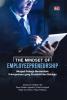
THE MINDSET OF EMPLOYEEPRENEURSHIP: Menjadi Pekerja Ber-mindset Entrepreneur Yang Produktif dan Bahagia
Keywords:
THE MINDSET OF EMPLOYEEPRENEURSHIPSynopsis
Employeepreneurship adalah konsep pekerja yang berpikir dan bertindak seperti entrepreneur, namun tetap berada dalam struktur organisasi. Mereka proaktif menjual kompetensi, membangun nilai tambah, menjaga reputasi, dan mengoptimalkan posisi tawar profesional, sehingga bukan sekadar menjalankan tugas, tetapi menjadi mitra strategis bagi kemajuan organisasi.
Konsep ini menjadi jawaban bagi banyak Gen Z yang menolak menjadi “budak korporat” dan menganggap kantor sebagai simbol hidup tanpa makna. Mereka mendambakan kebebasan, namun sering lupa bahwa kebebasan sejati membutuhkan tanggung jawab dan daya juang. Akibatnya, muncul generasi yang alergi terhadap struktur kerja, mudah bosan, tetapi belum siap membangun sistem sendiri.
Employeepreneurship juga menjadi jawaban atas ironi pasar kerja saat ini: banyak pencari kerja kesulitan mendapat pekerjaan, sementara banyak perusahaan kesulitan menemukan talenta yang tepat. Dengan mindset ini, individu menjadi lebih proaktif, adaptif, dan mampu memberi nilai tambah sesuai tuntutan dunia kerja.
Dalam buku ini, mindset pekerja dibagi menjadi enam level dengan ciri khas yang jelas. Level Robber hanya mengambil tanpa memberi, Level Beggar bergantung pada belas kasihan, dan Level Worker sekadar menukar tenaga dengan upah. Naik ke Level Employee, pekerja mulai profesional namun masih bergantung; Level Professional memiliki keahlian tinggi dan mulai dihargai; sedangkan puncaknya, Level Employeepreneur, menjadi mitra strategis yang memberi nilai tambah besar bagi perusahaan.
Pekerja pada Level Employeepreneur dapat mencapai kebahagiaan yang stabil melalui pencapaian diri, hubungan bermakna, ketenangan batin, dan kebijaksanaan—atau Happiness with Inner Peace dan Happiness with Wisdom.
Buku ini juga menjelaskan bahwa menanamkan mindset employeepreneurship sangat efektif bila didukung oleh kerangka Neuro Logical Levels dari Robert Dilts. Peta ini membantu memahami dari level mana perubahan perlu dimulai—lingkungan, perilaku, kemampuan, keyakinan, identitas, hingga tujuan hidup.
Chapters
-
KATA PENGANTAR PENULIS
-
DAFTAR ISI
-
PENDAHULUAN FENOMENA GEN Y & Z YANG ANTI MENJADI BUDAK KORPORAT
-
BAB 1 EMPLOYEEPRENEURSHIP & PARADOKS DUNIA KERJA DI INDONESIA
-
BAB 2 MINDSET EMPLOYEE VS ENTREPRENEUR
-
BAB 3 MINDSET PEKERJA LEVEL ROBBER/ GANGSTER
-
BAB 4 MINDSET PEKERJA LEVEL BEGGAR
-
BAB 5 MINDSET PEKERJA LEVEL WORKER
-
BAB 6 MINDSET PEKERJA LEVEL EMPLOYEE
-
BAB 7 MINDSET PEKERJA LEVEL PROFESSIONAL/MASTER
-
BAB 8 MINDSET PEKERJA LEVEL EMPLOYEEPRENEUR
-
BAB 9 MANFAAT MEMILIKI PEKERJA BER-MINDSET EMPLOYEEPRENEUR
-
BAB 10 ROADMAP PEKERJA MENCAPAI LEVEL EMPLOYEEPRENEUR
-
BAB 11 EMPLOYEEPRENEURSHIP & KEBAHAGIAAN
-
BAB 12 STRATEGI KARIER EMPLOYEEPRENEUR
-
BAB 13 TRANSFORMASI MENUJU EMPLOYEEPRENEUR MELALUI NLL ROBERT DILTS
-
BAB 14 RISIKO MENGADOPSI MINDSET EMPLOYEEPRENEURSHIP
-
BAB 15 EMPLOYEEPRENEURSHIP & PERSIAPAN PENSIUN
-
BAB 16 EMPLOYEEPRENEURSHIP JEMBATAN EMPLOYEE MENJADI ENTREPRENEUR
-
PENUTUP MINDSET EMPLOYEEPRENEURSHIP MENJADI PEKERJA BER-MINDSET ENTREPRENEUR YANG PRODUKTIF DAN BAHAGIA.
-
DAFTAR PUSTAKA
-
PROFIL PENULIS
Downloads
References
Achor, S. (2010). The happiness advantage: How a positive brain fuels success in work and life. Crown Business.
Allen, T. D. , & Eby, L. T. (2011). The Blackwell handbook of mentoring: A multiple perspectives approach. John Wiley & Sons.
Alvesson, M. , & Willmott, H. (2002). Identity regulation as organizational control: Producing the appropriate individual. In Critical Management Studies (pp. 123–146). Sage.
Amabile, T. M. (1997). Motivating creativity in organizations: On doing what you love and loving what you do. California Management Review, 40(1), 39–58.
Anderson, C. , Srivastava, S. , Beer, J. S. , Spataro, S. E. , & Chatman, J. A. (2006). Knowing your place: Self-perceptions of status in face-to-face groups. Journal of Personality and Social Psychology, 91(6), 1094–1110.
Andrews, J. , & Higson, H. (2008). Graduate employability, ‘soft skills’ versus ‘hard’ business knowledge: A European study. Higher Education in Europe, 33(4), 411–422. https://doi. org/10. 1080/03797720802522627
Antoncic, B. , & Hisrich, D. P. (2001). Intrapreneurship: construct refinement and cross‐cultural validation. Journal of Business Venturing, 16(5), 495–527.
Antoncic, B. , & Hisrich, R. D. (2003). Clarifying the intrapreneurship concept. Journal of Small Business and Enterprise Development, 10(1), 7–24. https://doi. org/10. 1108/14626000310461187
Antonioli, D. , Nicolli, F. , & Ramaciotti, L. (2016). Employee-driven innovation: A new approach to innovative work behavior. Journal of Economic Surveys, 30(5), 928–944. https://doi. org/10. 1111/joes. 12134
Armstrong, M. , & Taylor, S. (2020). Armstrong’s handbook of human resource management practice (15th ed. ). Kogan Page.
Ashforth, B. E. , & Anand, V. (2003). The normalization of corruption in organizations. Research in Organizational Behavior, 25, 1–52.
Badan Pusat Statistik. (2025). Tingkat Pengangguran Terbuka [Data statistik]. BPS.
Bandura, A. (1997). Self-efficacy: The exercise of control. W. H. Freeman.
Bandura, A. (1999). Moral disengagement in the perpetration of inhumanities. Personality and Social Psychology Review, 3(3), 193–209.
Baumrind, D. (1991). Effective parenting during the early adolescent transition. In P. A. Cowan & E. M. Hetherington (Eds. ), Family transitions (pp. 111–163). Lawrence Erlbaum Associates.
Baumrind, D. (1991). The influence of parenting style on adolescent competence and substance use. Journal of Early Adolescence, 11(1), 56–95. https://doi. org/10. 1177/0272431691111004
Beelmann, A. , & Lösel, F. (2020). Interventions for aggressive behavior in childhood and adolescence: An overview of meta-analyses. International Journal of Environmental Research and Public Health, 17(2), 423.
Bloom, B. S. (1956). Taxonomy of educational objectives: The classification of educational goals. New York: Longman.
Boyatzis, R. E. (2008). Competencies in the 21st century. Journal of Management Development, 27(1), 5–12.
Brackett, M. A. , & Rivers, S. E. (2014). Transforming students’ lives with social and emotional learning. In R. Pekrun & L. Linnenbrink-Garcia (Eds. ), International handbook of emotions in education (pp. 368–388). Routledge.
Brunsson, N. (2006). The organization of hypocrisy: Talk, decisions and actions in organizations. Copenhagen Business School Press.
Burgelman, R. A. , & Sayles, L. R. (1986). Inside corporate innovation: Strategy, structure, and managerial skills. Free Press.
Casner-Lotto, J. , & Barrington, L. (2006). Are they really ready to work? Washington, DC: The Conference Board, Corporate Voices for Working Families, Partnership for 21st Century Skills, and Society for Human Resource Management.
Chesbrough, H. (2003). Open innovation: The new imperative for creating and profiting from technology. Harvard Business Press.
Clarke, M. (2018). Rethinking graduate employability: The role of capital, individual attributes and context. Studies in Higher Education, 43(11), 1923–1937. https://doi. org/10. 1080/03075079. 2017. 1294152
Covey, S. R. (1989). The 7 habits of highly effective people: Powerful lessons in personal change. New York: Free Press.
Daft, R. L. (2016). Organization theory and design (12th ed. ). Cengage Learning.
Day, D. V. , Fleenor, J. W. , Atwater, L. E. , Sturm, R. E. , & McKee, R. A. (2014). Advances in leader and leadership development: A review of 25 years of research and theory. The Leadership Quarterly, 25(1), 63–82.
Deci, E. L. , & Ryan, R. M. (2000). The “what” and “why” of goal pursuits: Human needs and the self-determination of behavior. Psychological Inquiry, 11(4), 227–268.
Dessler, G. (2020). Human resource management (16th ed. ). Pearson.
Diwanti, D. P. , et al. (2024). The effect of organizational culture and readiness to change on organizational entrepreneurship: The role of competence. Jurnal Manajemen Bisnis, 12(2).
Dodge, K. A. , Lansford, J. E. , Burks, V. S. , Bates, J. E. , Pettit, G. S. , Fontaine, R. , & Price, J. M. (2015). Peer rejection and social information-processing factors in the development of aggressive behavior problems in children. Child Development, 76(2), 374–393.
Drucker, P. F. (1993). Innovation and entrepreneurship: Practice and principles. HarperBusiness.
Drucker, P. F. (1993). Post-capitalist society. HarperBusiness.
Drucker, P. F. (2007). Management challenges for the 21st century. New York: HarperCollins.
Drucker, P. F. (2015). Innovation and Entrepreneurship: Practice and Principles. Routledge.
Dweck, C. S. (2006). Mindset: The new psychology of success. Random House.
Fayolle, A. , & Gailly, B. (2015). The impact of entrepreneurship education on entrepreneurial attitudes and intention: Hysteresis and persistence. Journal of Small Business Management, 53(1), 75–93.
Feldman, D. C. , & Beehr, T. A. (2011). A three-phase model of retirement decision making. American Psychologist, 66(3), 193–203. https://doi. org/10. 1037/a0022153
Fredrickson, B. L. (2001). The role of positive emotions in positive psychology: The broaden-and-build theory of positive emotions. American Psychologist, 56(3), 218–226. https://doi. org/10. 1037/0003-066X. 56. 3. 218
Freire, P. (1970). Pedagogy of the oppressed. Herder and Herder.
Fugate, M. , Kinicki, A. J. , & Ashforth, B. E. (2004). Employability: A psycho-social construct, its dimensions, and applications. Journal of Vocational Behavior, 65(1), 14–38.
Gibb, A. (2002). In pursuit of a new 'enterprise' and 'entrepreneurship' paradigm for learning: creative destruction, new values, new ways of doing things and new combinations of knowledge. International Journal of Management Reviews, 4(3), 233–269. https://doi. org/10. 1111/1468-2370. 00086
Giddens, A. (1991). Modernity and self-identity: Self and society in the late modern age. Stanford University Press.
Goleman, D. , Boyatzis, R. , & McKee, A. (2013). Primal leadership: Unleashing the power of emotional intelligence. Harvard Business Press.
GoodStats. (2024, Desember 27). Cari Kerja Susah, Cari Karyawan Susah: Pahami Fenomena Job Mismatch di Indonesia.
Greenberg, J. (1990). Employee theft as a reaction to underpayment inequity: The hidden cost of pay cuts. Journal of Applied Psychology, 75(5), 561–568. https://doi. org/10. 1037/0021-9010. 75. 5. 561
Hackman, J. R. , & Oldham, G. R. (1976). Motivation through the design of work: Test of a theory. Organizational Behavior and Human Performance, 16(2), 250–279.
Hackman, J. R. , & Oldham, G. R. (1980). Work redesign. Addison-Wesley.
Hannan, M. T. , & Freeman, J. (1984). Structural inertia and organizational change. American Sociological Review, 49(2), 149–164.
Harris, B. (2024, December 17). What I learnt … trying to change Whitehall. The Times. The Times
Harvey, L. (2001). Defining and measuring employability. Quality in Higher Education, 7(2), 97–109.
Heckman, J. J. , & Kautz, T. (2012). Hard evidence on soft skills. Labour Economics, 19(4), 451–464.
Herrmann, A. M. , & Nadkarni, S. (2014). Managing strategic change: Employee entrepreneurship and career transition. Strategic Management Journal, 35(6), 900–912. https://doi. org/10. 1002/smj. 2135
Hisrich, R. D. , Peters, M. P. , & Shepherd, D. A. (2017). Entrepreneurship (10th ed. ). New York: McGraw-Hill Education.
Hofstede, G. (2001). Culture’s consequences: Comparing values, behaviors, institutions and organizations across nations (2nd ed. ). Sage.
Hornsby, J. S. , Kuratko, D. F. , & Zahra, S. A. (2002). Middle managers’ perception of the internal environment for corporate entrepreneurship: Assessing a measurement scale. Journal of Business Venturing, 17(3), 253–273.
Houghton, J. D. , & Neck, C. P. (2002). The revised self-leadership questionnaire: Testing a hierarchical factor structure for self-leadership. Journal of Managerial Psychology, 17(8), 672–691.
Illouz, E. (2018). The end of love: A sociology of negative relations. Oxford University Press.
Imania, A. , Hadi, K. , & Kamil, M. (2021). Empowerment of Retired State Civil Apparatus Through the Smart Entrepreneurship Program by PT Taspen. ResearchGate. ResearchGate
International Labour Organization. (2019). The future of work: Work for a brighter future. ILO.
Investopedia. (n. d. ). Marginal Revenue Product (MRP): Definition and How It's Predicted. Diakses dari Investopedia. Investopedia
Ireland, R. D. , Covin, J. G. , & Kuratko, D. F. (2009). Conceptualizing corporate entrepreneurship strategy. Entrepreneurship Theory and Practice, 33(1), 19–46. https://doi. org/10. 1111/j. 1540-6520. 2008. 00279. x
Jackson, D. (2016). Re-conceptualising graduate employability: The importance of pre-professional identity. Higher Education Research & Development, 35(5), 925–939. https://doi. org/10. 1080/07294360. 2016. 1139551
Kahn, R. L. , Wolfe, D. M. , Quinn, R. P. , Snoek, J. D. , & Rosenthal, R. A. (1964). Organizational stress: Studies in role conflict and ambiguity. Wiley.
Katz, R. L. (1974). Skills of an effective administrator. Harvard Business Review, 52(5), 90–102.
Kirkpatrick, J. D. , & Kirkpatrick, W. K. (2016). Kirkpatrick's four levels of training evaluation. ATD Press.
Kitab Undang-Undang Hukum Perdata [KUHPerdata]. (2020). Pasal 1320.
Kitab Undang-Undang Hukum Perdata. (1847). Staatsblad Tahun 1847 Nomor 23.
Knowles, M. S. (1984). The adult learner: A neglected species (3rd ed. ). Gulf Publishing.
Kochanska, G. , & Aksan, N. (2006). Children’s conscience and self-regulation. Journal of Personality, 74(6), 1587–1617. https://doi. org/10. 1111/j. 1467-6494. 2006. 00421. x
Kohlberg, L. (1984). Essays on moral development: Vol. 2. The psychology of moral development. Harper & Row.
Kolb, D. A. (1984). Experiential learning: Experience as the source of learning and development. Prentice Hall.
Kotter, J. P. (2012). Leading change. Harvard Business Review Press.
Kram, K. E. (1985). Mentoring at work: Developmental relationships in organizational life. Scott, Foresman.
Kuratko, D. F. (2017). Entrepreneurship: Theory, process, and practice (10th ed. ). Cengage Learning.
Kuratko, D. F. , & Audretsch, D. B. (2013). Clarifying the domains of corporate entrepreneurship. International Entrepreneurship and Management Journal, 9(3), 323–335. https://doi. org/10. 1007/s11365-013-0257-4
Kuratko, D. F. , & Hornsby, J. S. (2016). Corporate entrepreneurship & innovation (3rd ed. ). Stamford, CT: Cengage Learning.
Locke, E. A. , & Latham, G. P. (2002). Building a practically useful theory of goal setting and task motivation. American Psychologist, 57(9), 705–717.
Lumpkin, G. T. , & Dess, G. G. (1996). Clarifying the entrepreneurial orientation construct and linking it to performance. Academy of Management Review, 21(1), 135–172.
Luthans, F. (2011). Organizational behavior (12th ed. ). McGraw-Hill.
Lyubomirsky, S. , King, L. , & Diener, E. (2005). The benefits of frequent positive affect: Does happiness lead to success? Psychological Bulletin, 131(6), 803–855. https://doi. org/10. 1037/0033-2909. 131. 6. 803
Maslow, A. H. (1943). A theory of human motivation. Psychological Review, 50(4), 370–396. https://doi. org/10. 1037/h0054346
Maslow, A. H. (1954). Motivation and personality. New York: Harper & Row.
MDPI. (2022). Personnel Costs and Labour Productivity: The Case of European Manufacturing Industry. MDPI
Moeis, et al. (2019). Pension and Active Ageing: Lessons Learned from Civil Servants in Indonesia. Social Sciences, 10(11), 436. MDPI
Muliati, I. (2013). Pension Reform Experience in Indonesia. IMF Conference, Tokyo. MDPI
Nabi, G. , Liñán, F. , Fayolle, A. , Krueger, N. , & Walmsley, A. (2017). The impact of entrepreneurship education in higher education: A systematic review and research agenda. Academy of Management Learning & Education, 16(2), 277–299.
National Research Council. (2012). Education for life and work: Developing transferable knowledge and skills in the 21st century. Washington, DC: The National Academies Press.
Nugroho, A. Y. (2020). Mindset employeepreneurship sebagai solusi pengembangan karier karyawan. Jurnal Manajemen dan Kewirausahaan, 22(2), 101–110.
Nursalam. (2017). Metodologi penelitian ilmu keperawatan: Pendekatan praktis. Salemba Medika.
Osterwalder, A. , & Pigneur, Y. (2010). Business model generation: A handbook for visionaries, game changers, and challengers. John Wiley & Sons.
Pierce, J. L. , Kostova, T. , & Dirks, K. T. (2001). Toward a theory of psychological ownership in organizations. Academy of Management Review, 26(2), 298–310. https://doi. org/10. 5465/amr. 2001. 4378028
Pinchot, G. (1985). Intrapreneuring: Why you don't have to leave the corporation to become an entrepreneur. New York: Harper & Row.
Podsakoff, N. P. , Whiting, S. W. , Podsakoff, P. M. , & Blume, B. D. (2009). Individual- and organizational-level consequences of organizational citizenship behaviors: A meta-analysis. Journal of Applied Psychology, 94(1), 122–141.
Pool, L. D. , & Sewell, P. (2007). The key to employability: developing a practical model of graduate employability. Education + Training, 49(4), 277–289. https://doi. org/10. 1108/00400910710754435
Populix & KitaLulus. (2024). Riset Job Mismatch dan Tantangan Rekrutmen.
Porter, M. E. (1996). What is strategy? Harvard Business Review, 74(6), 61–78.
Prieto, L. C. , Phipps, S. T. A. , & Kungu, K. (2020). Facilitating a culture of intrapreneurship: an employee involvement approach. Strategic HR Review, 19(2), 93–95.
Rahmah, E. F. (2025, March 13). Behind the Numbers: The Hidden Flaws in Indonesia’s Civil Servant Pension System. Bahas Kebijakan. bahaskebijakan. id
Robbins, S. P. , & Coulter, M. (2021). Management (15th ed. ). Pearson.
Robbins, S. P. , & Judge, T. A. (2017). Organizational Behavior (17th ed. ). Harlow: Pearson Education.
Robles, M. M. (2012). Executive perceptions of the top 10 soft skills needed in today’s workplace. Business Communication Quarterly, 75(4), 453–465. https://doi. org/10. 1177/1080569912460400
Rousseau, D. M. (1995). Psychological contracts in organizations: Understanding written and unwritten agreements. Sage.
Salas, E. , Sims, D. E. , & Burke, C. S. (2008). Is there a "big five" in teamwork? Small Group Research, 36(5), 555–599.
Santrock, J. W. (2018). Child development (15th ed. ). McGraw-Hill Education.
Scarborough, N. M. (2016). Essentials of entrepreneurship and small business management (8th ed. ). Pearson.
Schein, E. H. (2017). Organizational culture and leadership (5th ed. ). Hoboken, NJ: John Wiley & Sons.
Schlosser, F. K. , & Zinni, D. M. (2011). Transitioning ageing workers from paid to unpaid work in non-profit organizations. Human Resource Management Journal, 21(2), 156–170. https://doi. org/10. 1111/j. 1748-8583. 2010. 00133. x
Self Learning Material for MBA. (2024, April 1). How Productivity Influences Wage Rates: Theory and Challenges. SLM (Self Learning Material) for MBA
Seligman, M. E. P. (1975). Helplessness: On depression, development, and death. W. H. Freeman.
Seligman, M. E. P. (2011). Flourish: A visionary new understanding of happiness and well-being. Free Press.
Senge, P. M. (1990). The fifth discipline: The art and practice of the learning organization. Doubleday.
Sporsem, T. , Tkalich, A. , & Moe, N. B. (2021). Understanding barriers to internal startups in large organizations: Evidence from a globally distributed company. arXiv.
Suarta, I. M. , Suwintana, I. K. , Sudhana, I. F. P. , & Hariyanti, N. K. D. (2017). Employability skills required by the 21st-century workplace: A literature review of labor market demand. Advances in Social Science, Education and Humanities Research, 102, 337–342. https://doi. org/10. 2991/ictvt-17. 2017. 58
Subekti. (2008). Hukum Perjanjian. Jakarta: Intermasa.
Tanjung, C. (2016). Si Anak Singkong. Jakarta: Gramedia Pustaka Utama.
Taufik, M. (2022). Employeepreneurship: Menjadi pekerja yang produktif dan bahagia. Jakarta: Prenada Media.
Tepper, B. J. (2000). Consequences of abusive supervision. Academy of Management Journal, 43(2), 178–190. https://doi. org/10. 5465/1556375
Timmons, J. A. , & Spinelli, S. (2009). New venture creation: Entrepreneurship for the 21st century. McGraw-Hill.
Treviño, L. K. , Weaver, G. R. , & Reynolds, S. J. (2000). Behavioral ethics in organizations: A review. Journal of Management, 26(3), 951–990.
Undang-Undang Republik Indonesia Nomor 11 Tahun 2020 tentang Cipta Kerja. Lembaran Negara Republik Indonesia Tahun 2020 Nomor 245.
Undang-Undang Republik Indonesia Nomor 13 Tahun 2003 tentang Ketenagakerjaan. Lembaran Negara Republik Indonesia Tahun 2003 Nomor 39.
Vardi, Y. , & Weitz, E. (2004). Misbehavior in organizations: Theory, research, and management. Lawrence Erlbaum Associates.
Vuorikari, R. , Punie, Y. , Carretero, S. , & Van den Brande, G. (2016). DigComp 2. 0: The digital competence framework for citizens. Publications Office of the European Union. https://doi. org/10. 2791/11517
Wang, M. , Henkens, K. , & van Solinge, H. (2011). Retirement adjustment: A review of theoretical and empirical advancements. American Psychologist, 66(3), 204–213. https://doi. org/10. 1037/a0022414
Warta Ekonomi. (2025, Mei 3). Mismatch Kompetensi SDM Jadi Ancaman Serius Dunia Kerja Indonesia.
Whitmore, J. (2009). Coaching for performance: Growing human potential and purpose (4th ed. ). Nicholas Brealey Publishing.
Wijaya, A. (2023). The social penalty of innovation: An ethnographic study of employeepreneurship in East Java manufacturing. Journal of Organizational Ethnography, 12(2), 145–167.
Wrzesniewski, A. (2003). Finding positive meaning in work. In K. S. Cameron, J. E. Dutton, & R. E. Quinn (Eds. ), Positive organizational scholarship (pp. 296–308). Berrett-Koehler.
Yeager, D. S. , & Dweck, C. S. (2012). Mindsets that promote resilience: When students believe that personal characteristics can be developed. Educational Psychologist, 47(4), 302–314. https://doi. org/10. 1080/00461520. 2012. 722805
Yorke, M. (2006). Employability in higher education: What it is – what it is not. York: The Higher Education Academy.
Yorke, M. , & Knight, P. (2006). Embedding employability into the curriculum. Higher Education Academy.
Zahra, S. A. (1991). Predictors and financial outcomes of corporate entrepreneurship: An exploratory study. Journal of Business Venturing, 6(4), 259–285.
Zbierowski, P. (2016). Employee entrepreneurship: Conceptualization and scale development. Journal of Entrepreneurship, Management and Innovation, 12(2), 131–150. https://doi. org/10. 7341/20161226
Zimmerer, T. W. , Scarborough, N. M. , & Wilson, D. (2008). Essentials of entrepreneurship and small business management. Pearson Prentice Hall.
Published
License

This work is licensed under a Creative Commons Attribution-ShareAlike 4.0 International License.